Is It Time to Replace Your Siding? Signs Virginia Homeowners Shouldn't Ignore

Your home's siding protects against rain, wind, and changing weather while maintaining curb appeal. But how do you know when it's time for a replacement?
For homeowners in Mineral, Lake Anna, Louisa County, and nearby Virginia communities, recognizing siding damage early can help prevent costly repairs. Here are six warning signs to watch for and how to decide whether repairs or replacement make more sense.
When Should You Consider Siding Replacement in Virginia?
Siding replacement may be necessary when panels are extensively cracked, warped, loose, rotting, or allowing moisture behind exterior walls. Widespread deterioration, repeated repairs, and damage beneath the siding are additional warning signs. Minor problems may only require repairs, but a professional inspection can help determine the most practical solution.
6 Signs Your Siding May Need Replacement
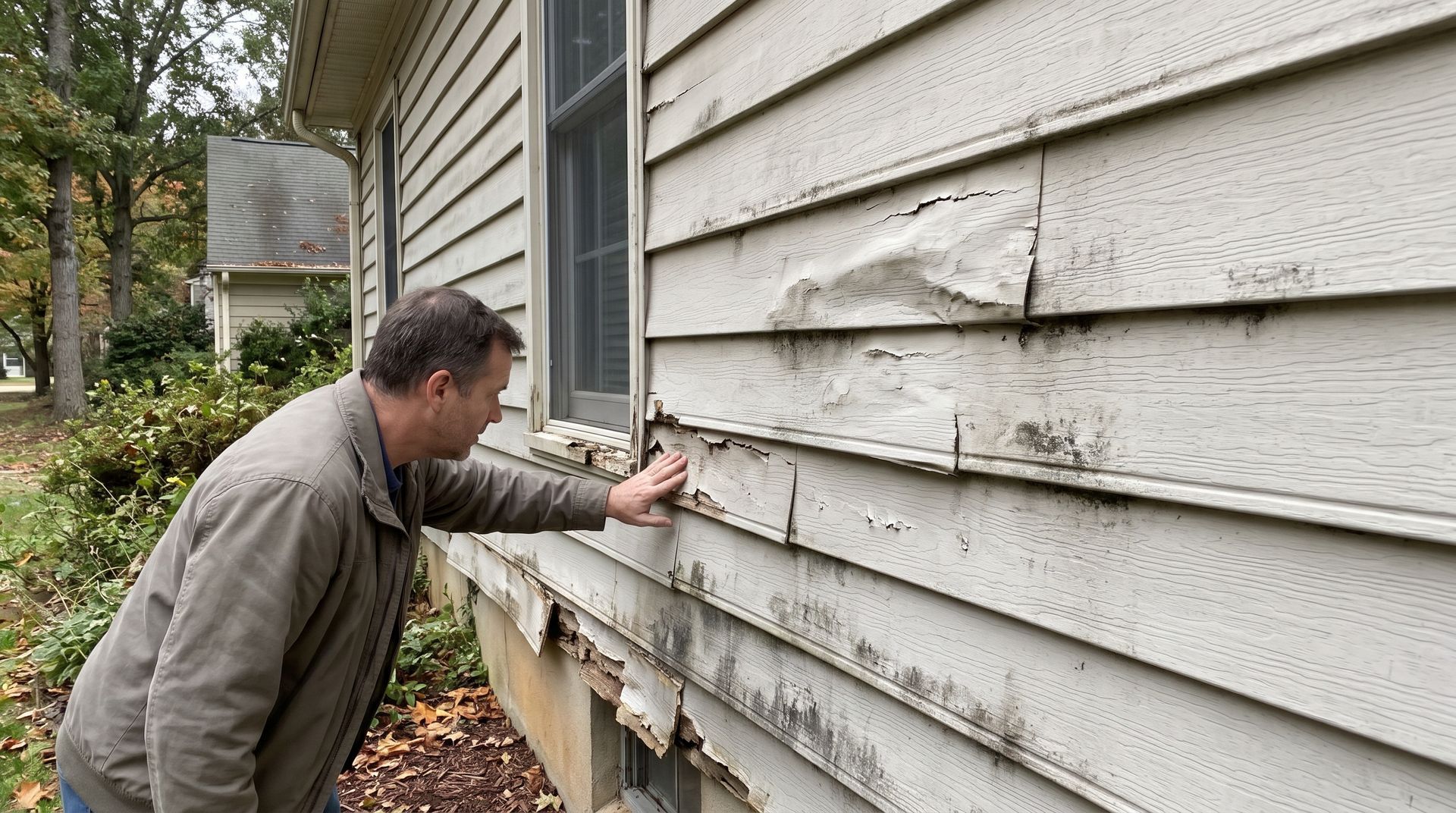
1. Cracked, Warped, or Loose Panels
Visible damage is often the first sign of trouble.
Watch for:
- Cracks, holes, or broken panels
- Warping or buckling
- Loose siding after storms
- Gaps around joints
- Sections pulling away from walls
A few damaged panels may be repairable. However, widespread damage can indicate aging materials or problems beneath the surface.
2. Peeling Paint or Significant Fading
Sun exposure and changing weather can cause siding to fade over time. While fading alone doesn't require replacement, repeated peeling, blistering, or deteriorating finishes may indicate moisture problems.
If repainting or minor repairs no longer restore your siding's condition, replacement may be worth considering.
3. Mold, Mildew, or Moisture Stains
Green discoloration, dark streaks, and water stains can develop where siding stays damp.
Surface mildew doesn't always mean structural damage. However, recurring stains, soft materials, or moisture around windows and doors may indicate a deeper problem.
Addressing these issues early can help prevent damage to the underlying structure.
4. Rotting or Soft Siding Materials
Wood and certain engineered siding materials can deteriorate after prolonged moisture exposure.
Common signs include:
- Soft or crumbling sections
- Swollen panels
- Damaged edges
- Loose fasteners
If rot extends beneath the siding, replacing individual panels may not resolve the problem.
5. Higher Energy Bills or Indoor Drafts
Unexpected increases in heating or cooling costs may indicate air leaks or insulation problems.
Although damaged siding can accompany exterior wall issues, siding alone isn't always responsible for energy loss.
The U.S. Department of Energy explains how air sealing can improve home comfort and energy efficiency.
A professional inspection can help identify whether siding repairs or other improvements are needed.
6. Frequent Repairs and Maintenance
Occasional siding repairs are normal. However, repeatedly replacing panels, repainting, or addressing moisture problems can become expensive.
If damage affects several areas, replacing the siding may offer better long-term value than continuing with temporary repairs.
Should You Repair or Replace Your Siding?
The best choice depends on the extent of damage and the condition of the underlying materials.
When Repairs May Be Enough
Repairs are often suitable when:
- Damage affects only a few panels
- Surrounding siding remains in good condition
- Matching replacement materials are available
- There is no significant underlying damage
When Replacement Makes More Sense
Consider replacement when deterioration affects multiple walls, repairs repeatedly fail, or moisture has damaged materials beneath the siding.
If you're unsure, explore Virginia Home Improvements' exterior home improvement services or contact the team to discuss your siding concerns.
Choosing the Right Siding for Your Virginia Home
Common siding options include vinyl, fiber cement, engineered wood, and insulated siding.
The right material depends on your home's appearance, maintenance preferences, budget, and exposure to weather.
Proper installation is equally important. Secure attachment, flashing, and moisture management help protect your home.
Homeowners planning larger exterior updates can also explore
home remodeling services.
Frequently Asked Questions
How long does siding typically last?
Siding lifespan depends on the material, installation quality, weather exposure, and maintenance. Regular inspections help identify deterioration before replacement becomes necessary.
Can I replace siding on just one side of my house?
Yes. Partial replacement may be possible when damage is limited to one area. However, matching older siding colors and materials can sometimes be difficult.
What is the best time of year to replace siding in Virginia?
Siding can be installed during different seasons, depending on weather conditions and manufacturer requirements. Moderate, dry weather is generally helpful for installation.
Protect Your Home with Professional Siding Services
Damaged siding doesn't always require complete replacement, but recurring problems shouldn't be ignored.
Virginia Home Improvements serves homeowners throughout Mineral, Lake Anna, Louisa County, Bumpass, and nearby communities.
Whether you need siding repairs or are considering replacement, the team can help you evaluate your options.
Call (540) 894-6031, email
va1improvements@yahoo.com, or
contact Virginia Home Improvements to discuss your siding project and request an estimate.